 Queensland Branch
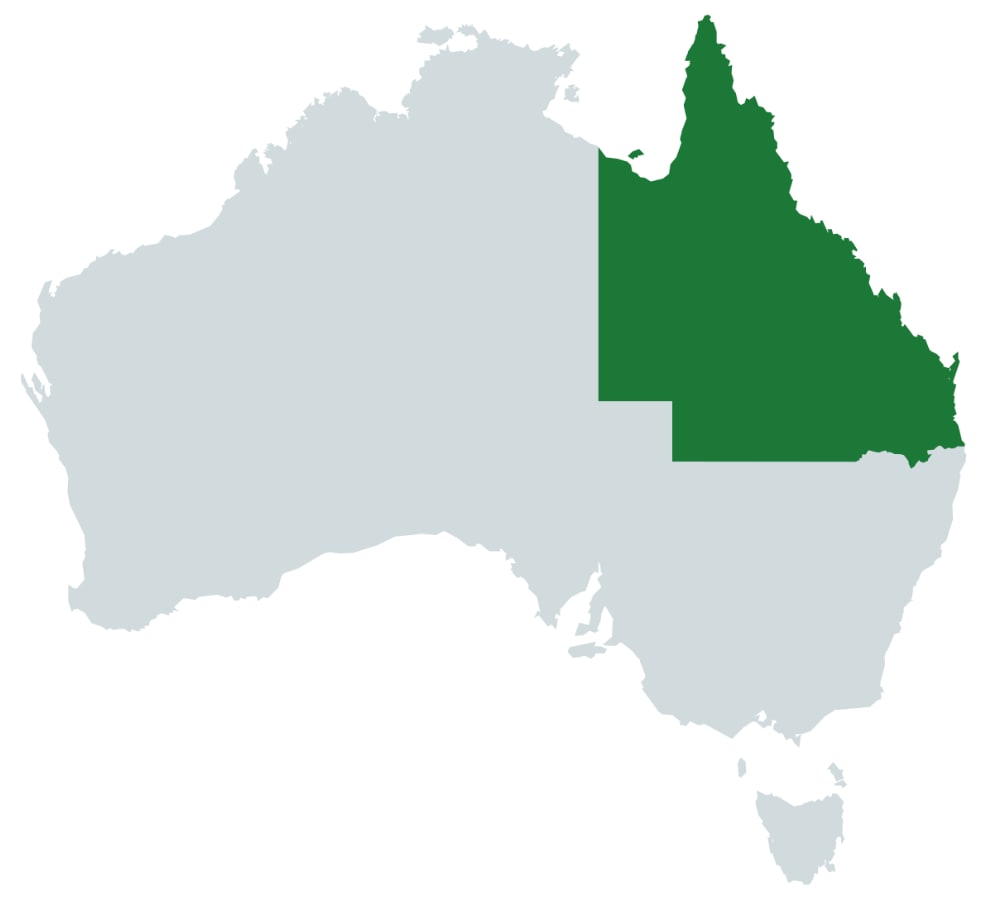
The Queensland Branch connects forestry professionals, growers, researchers, students, and supporters across one of Australia’s most diverse forest regions. We support professional connection and sector engagement through field trips, technical seminars, industry discussion, and networking opportunities for members and friends at all career stages.
Our activities reflect the breadth of forestry in Queensland, including plantation forestry, native forest management, forest health, fire, carbon, forest ecology, research, policy, education, and wood products. We aim to provide a practical forum for sharing knowledge, strengthening professional networks, and promoting informed discussion on issues relevant to forestry in Queensland.
Who we are
Dr Sam Van Holsbeeck (Chair) – Sam is a Research Fellow at the Forest Research Institute, University of the Sunshine Coast, with a focus on forest health, pest and weed management, and applied forestry research. As Chair of the Queensland Branch, he is committed to supporting professional connection and knowledge sharing across the sector.
Alison Dillon (Secretary)
Dr Kerrie Catchpoole – Kerrie is a forestry professional with more than 25 years of experience across plantation and native forest management. She has worked in research, policy, and resource management within the Queensland Government, and has made a strong contribution to Forestry Australia through leadership and mentoring roles. Kerrie is a Fellow of Forestry Australia.
Tom Clapson – Tom is Stewardship and Environment Manager at HQPlantations and has more than 25 years of experience in the sustainable management of Araucaria and southern pine plantations in Queensland. His background spans plantation establishment, harvesting, planning, resource management, and fire management.
Dr Mihai Daian – Mihai Daian is a Registered Forestry Professional with more than 25 years of experience across academia, consulting, and the Australian Public Service. His background spans wood processing, product development, feasibility studies, and forestry sector support in Australia and internationally, including as Technical Advisor to the South and Central Queensland Forestry Hub.
Simon Dorries – Simon is Chief Executive Officer of Responsible Wood and has more than 40 years of experience in the forest and wood products sector. He has extensive expertise in certification systems, compliance testing and assessment, education and training, product development, and standards development. Simon also chairs Standards Australia Committee TM-011 Engineered Wood Products.
Dr Kevin Harding – Kevin has extensive experience in plantation wood quality research, consultancy, and forest advocacy. He has held leadership roles with Australian Forest Growers and Forestry Australia, and is a member of the North Queensland Forestry Hub Steering Committee. Based in Far North Queensland, Kevin is also a Trustee of The Gottstein Trust.
A/Prof David Lee – David is a professor at the Forest Research Institute, University of the Sunshine Coast. His research focusses on selecting species for adaptation to marginal sites, including silvopastoral systems, tree breeding (eucalypts and sandalwood), plantation wood quality and relating this wood quality to products.
Luke Danaher – Luke is a soils and forestry scientist at the Department of Primary Industries Queensland, working on silvopasture, hardwood plantation, and soil carbon experiments. He enjoys learning through field trips and growing Araucaria and Eucalypts on his family’s beef farm.
Shane Clohesy – Shane is a professional forester with 18 years operational experience in native forests and plantations across Australia. He has worked in a range of roles covering resource planning, operational planning, harvesting, plantation site establishment, native forest and plantation silviculture, and fire management.
Alex Lindsay
Queensland forestry at a glance
Queensland has the largest native forest area of any Australian state, with about 39% of Australia’s native forest estate, or about 51.3 million hectares (ABARES 2025). This includes:
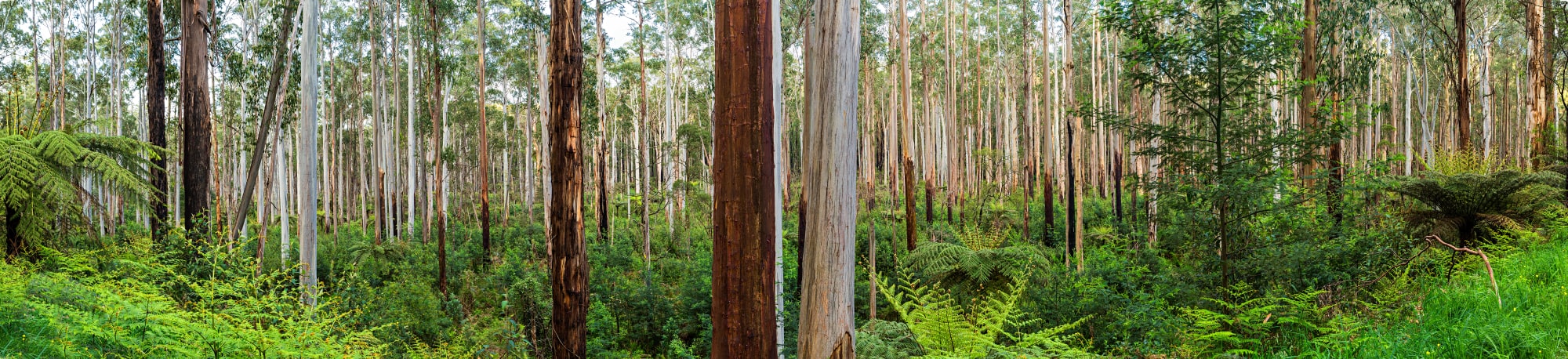
- Eucalypt forests – the dominant type, supporting hardwood production, biodiversity, and fire-adapted ecosystems.
- Acacia forests – often in drier inland areas, providing habitat and limited wood resources.
- Rainforests – from the Wet Tropics to remnant subtropical stands, rich in biodiversity and conservation value.
- Cypress pine woodlands – naturally termite-resistant timber source, extensive in inland Queensland.
- Mangroves & Melaleuca forests – important coastal and wetland habitats.
Queensland also has about 205,000 hectares of plantation forest, including:
- Southern pine – the largest share, producing structural and appearance-grade softwood.
- Araucaria (hoop pine) – valued for premium joinery, mouldings, and plywood.
- Native hardwood plantations – smaller areas producing durable, high-strength timbers.
This diversity gives the Queensland Branch a distinct perspective within Forestry Australia. Queensland’s forests range from slow-growing arid woodlands to fast-growing plantation resources, and from production forests that support regional economies to World Heritage rainforests of global significance. Together, these landscapes reflect the wide range of environmental, cultural, research and industry issues shaping forestry in Queensland.
Get involved
The Queensland Branch welcomes members from across the forestry sector, including practitioners, researchers, students, forest growers, service providers, and others with an interest in forests and forestry. You can get involved by joining Forestry Australia, attending Queensland Branch events, participating in field trips and seminars, or connecting with the branch committee.