What is deforestation?
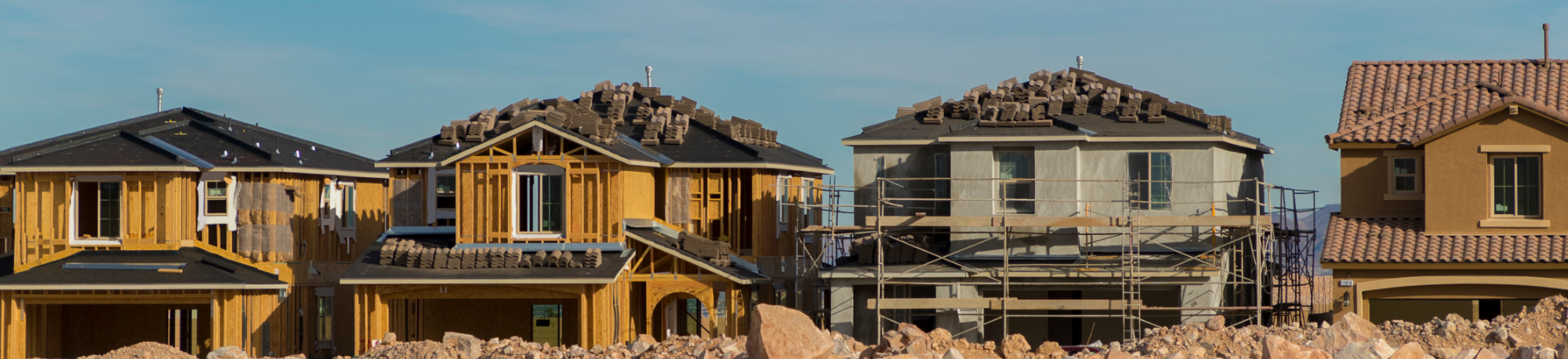
Deforestation is the permanent loss of forest, when land is cleared and converted to another use such as agriculture, infrastructure, or urban development.
While there are hundreds of definitions in use around the world, most leading Australian and international organisations* agree that three elements define deforestation:
- Permanence – the forest does not regenerate
- Loss – trees and ecosystems are removed
- Conversion – the land is turned to another purpose
This means that not all forest loss is deforestation.
Deforestation vs. land clearing and forest loss
- Land clearing is a broader term that also applies to grasslands, wetlands and shrublands, not just forests.
- Forest cover loss refers to the removal of trees, but whether this counts as deforestation depends on what happens next.
For example: Wildfires and sustainable timber harvesting may remove trees, but these areas remain as forests because they regenerate naturally or with human management. By contrast, clearing forests for cropping, grazing or urban development is deforestation, as the change is permanent.
Deforestation in Australia
- Since European settlement, Australia has lost nearly 40% of its original forest cover to deforestation, mostly through land clearing for agriculture.
- Around 98% of deforestation has occurred on private freehold and leasehold land, not in public forests.
Australia is sometimes described internationally as a “deforestation front”. However, this often depends on how deforestation is defined and measured. Some assessments mistakenly include temporary forest disturbances, such as sustainable and regulated timber harvesting, leading to misleading comparisons.
Why definitions matter
Different organisations, countries, and studies apply different definitions of “forest”, “forest loss”, and “deforestation”. This makes it difficult to:
- Accurately measure deforestation rates
- Compare data between regions or over time
- Track progress toward reducing deforestation
This inconsistency has even led to Australia being labelled as a global “deforestation hotspot” in some reports, while other analyses using United Nations Food and Agriculture Organization (FAO) data do not place Australia in the top 20 countries for forest loss.
Why it matters
Deforestation and degradation are the leading threats to the world’s forests, contributing to:
- Biodiversity loss – habitat loss and fragmentation are among the biggest threats to Australia’s threatened species.
- Climate change – deforestation drives carbon emissions, while forests are one of the best natural tools we have for storing carbon.
- Soil and water decline – removal of forests can increase erosion and pollution.
In Australia, deforestation is regulated at the State and Territory level, but rates are influenced by policy settings, market conditions (like commodity prices), and compliance monitoring.
Tackling deforestation
Reducing deforestation is essential for:
- Slowing climate change
- Protecting biodiversity
- Safeguarding soils and water
- Supporting sustainable land use
International frameworks such as the EU Deforestation-free Products Regulation and certification schemes like Responsible Wood and the Forest Stewardship Council (FSC) play a key role in promoting deforestation-free supply chains.
For Australia, consistent and transparent definitions, clear monitoring, and robust policy are vital to ensure action is targeted where the risks are greatest.
*Definitions adopted by key Australian and international organisations:
Australian Bureau of Agricultural and Resource Economics and Sciences (ABARES): A type of land clearing involving the permanent removal of forest cover. (Australia’s forests and forestry glossary – DAFF [agriculture.gov.au])
Australia’s State of the Environment Report: Direct human induced conversion of forests to alternative land uses (Industry | Australia state of the environment 2021 [dcceew.gov.au])
Australia’s independent forest certification bodies:
Forest Stewardship Council – Deforestation takes place when forests are converted to non-forest uses, such as agriculture or urbanisation (Deforestation and forest degradation | [fsc.org])
Responsible Wood – Deforestation is the permanent clearing of a forest, which results in a land-use change for non-forest purposes, such as urban expansion and infrastructure development. (Responsible Wood Statement on Deforestation and Forest Degradation – January 2024)
Food and Agriculture Organisation (FAO) Global Forest Resources Assessment: The conversion of forest to other land use independently whether human-induced or not.
Explanatory notes
1. Includes permanent reduction of the tree canopy cover below the minimum 10 percent threshold.
2. It includes areas of forest converted to agriculture, pasture, water reservoirs, mining and urban areas.