WEBINAR SERIES | Forest Fire Science: An Australian and US Perspective
Forestry Australia would like to invite you to our webinar series, Forest Fire Science: An Australian and US Perspective.
Session One has now taken place, but it’s not too late to register for the series.
If you register now, you will receive access to the recording of Session One, as well as registration and joining details for our upcoming Session Two: Prescribed Burning in Practice: Lessons from California and Western Australia.
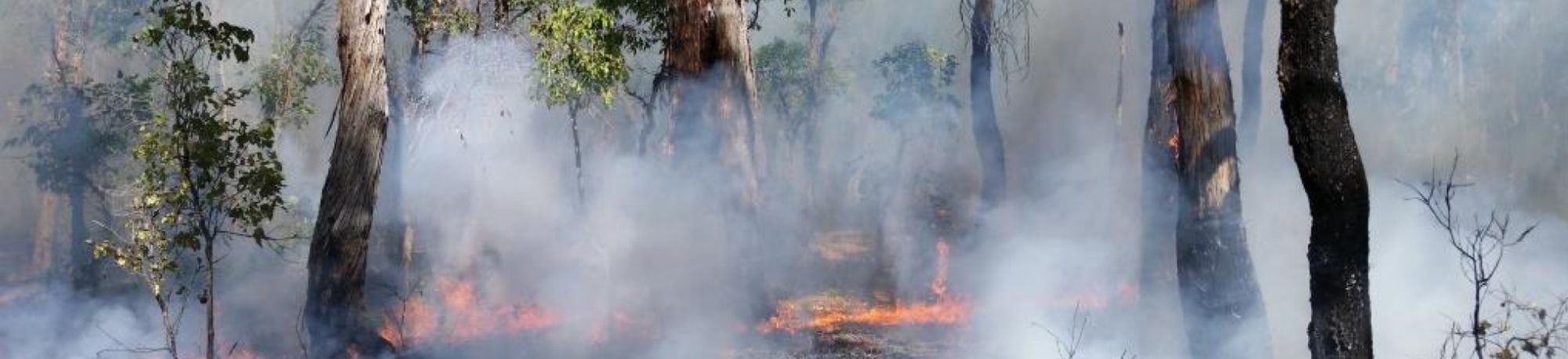
Presenters from Australia and the United States share research, case studies and practical experience on bushfire risk, forest management and prescribed burning. The series explores what works in practice and how different approaches can support more resilient forests and communities.
RFP CPD points: 2
Registrations (Inc. GST)
Forestry Australia Member: $25 | Student Member: Free | Non-members: $125
Registrations close: 10am (AEST) on Monday 21 September
Everyone who registers:
- Receives access to the recording of Session One.
- Receives a link and joining instructions 24 hours before Session Two commences.
- Receives a recording of Session Two after the webinar, so if you can’t attend live, you can watch it later.
Session One | Recording Now Available: Fire, Forest Dynamics and Active Forest Management
Recorded live on: Thursday 10 September | Time: 9:30 am–10:30 am (AEST)
Does Active Forest Management Increase Bushfire Risk?
Presenter: Dr Tony Bartlett AFSM
ACT, Australia
Dr Bartlett’s presentation provided a review of the science relevant to claims that timber harvesting and prescribed burning increase bushfire severity, together with additional analysis demonstrating why such claims are contested. Key findings included that, at the landscape level, timber harvesting has limited impact on fire severity; forests in conservation reserves and long-unburnt forests also regularly burn at high severity; and strategic prescribed burning is one of the most practical strategies available for reducing the extent and severity of bushfires.
From Social Licence to Landscape Resilience in the Western US
Presenters: Liane O’Neill and Terra Rentz
Portland, Oregon, US
Liane O’Neill and Terra Rentz from The Nature Conservancy presented an international case study from the US Western Dry Forests Program. They introduced the program’s forest restoration work across the western United States, including its holistic approach to conservation, research and policy. The presentation also explored how the program is building greater public understanding and acceptance of forest restoration through communications and public outreach informed by social science.
Session Two: Prescribed Burning in Practice: Lessons from California and Western Australia
Date: Tuesday 22 September | Time: 11:30 am–12:30 pm (AEST)
Bringing Fire Back to the People: An Example from California
Presenter: Lenya Quinn-Davidson
Eureka, California, US
Lenya Quinn-Davidson, Director of the UC ANR Fire Network at the University of California, will explore the Californian experience, including prescribed burn associations, certified burn boss programs, private landholder engagement, and community-based approaches to prescribed fire.
Fine-scale Mosaic Project – Developing a Broad Area, Fine-scale Burn Mosaic in the South West WA forest
Presenter: Ryan Butler
Western Australia
Ryan Butler, Regional Leader – Fire Management at Parks and Wildlife Service WA, will explore the progress on DBCA’s Fine-Grained Mosaic project in Western Australia, including the purpose of patch-based prescribed burning, project challenges, recent science observations, and practical lessons from the field.
About the Presenters
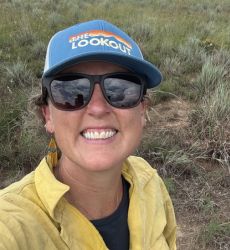
Lenya Quinn-Davidson
Director, UC ANR Fire Network, University of California
Lenya leads a statewide team working across a range of fire resilience priorities, including wildland fire management, the built environment, workforce development and community capacity. Her work spans local collaboration with private landowners and communities, state-level policy, research and training, and national and international initiatives through her leadership of the Women-in-Fire Training Exchange (WTREX) Program.
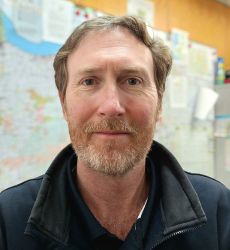
Ryan Butler
Regional Leader – Fire Management, Parks and Wildlife Service, Western Australia
Ryan has worked with Parks and Wildlife and its predecessor agencies for 26 years, including 21 years in fire management.
His experience includes 14 years working in the Rangelands and seven years in the South West forests.
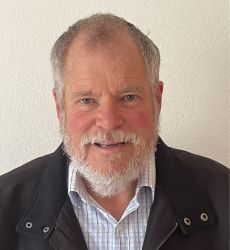
Dr Tony Bartlett AFSM
Dr Bartlett has 50 years of experience in forest fire management from Victoria, NSW and the ACT, having worked in planning and operational roles covering both native and plantation forests. He has authored reports on bushfire suppression, impacts of plantations on urban house loss and the impacts of the 2019-20 bushfires on Regional Forest Agreements. He has analysed claims since 2009 that logging and prescribed burning make forests more flammable and documented evidence on how these claims do not match the lived experience in landscape-scale bushfires. He was awarded an Australian Fire Service Medal (Australian Honour) in 2004.
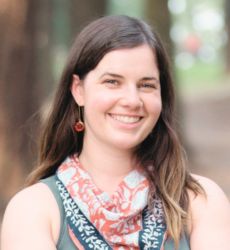
Liane O’Neill
Associate Director, Marketing and Communications, The Nature Conservancy’s Western Dry Forests Program
Liane leads communications strategy and campaigns across 11 western U.S. states. Drawing on social science and more than a decade of experience in environmental communications, she focuses on building public understanding and support for forest restoration, wildfire resilience and natural resource stewardship.
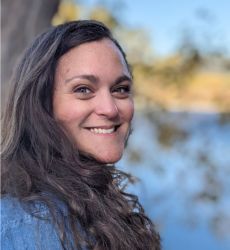
Terra Rentz
Director, The Nature Conservancy’s Western Dry Forests Program
Terra leads efforts to accelerate forest restoration and resilience across the western United States. With nearly 20 years of experience in conservation, policy and natural resource management, she specialises in collaborative, science-based solutions that support healthy forests, communities, watersheds and wildlife.
With thanks to our 2026 Webinar Program Sponsors:
